
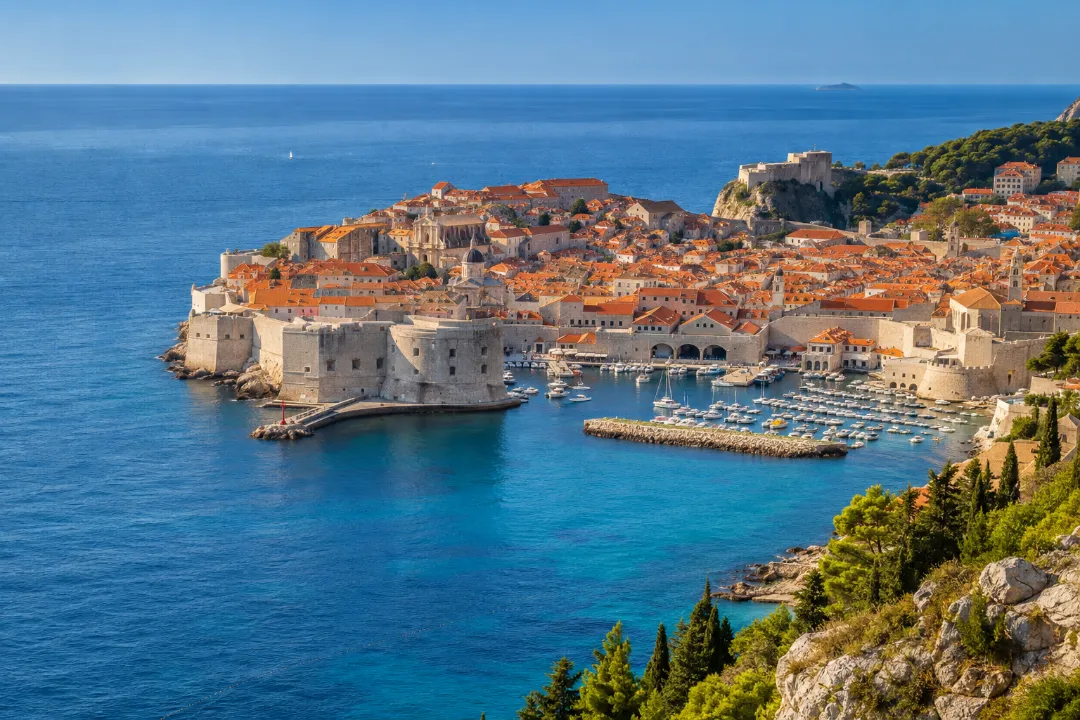
Croatie : guide de voyage
Que voir, que manger, quand partir et des itinéraires de vrais voyageurs.
- 22 lieux à voir
- 22 plats typiques
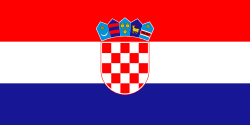
Croatia, officially the Republic of Croatia, is a country in Central and Southeastern Europe, on the coast of the Adriatic Sea. It borders Slovenia to the northwest, Hungary to the northeast, Serbia to the east, Bosnia and Herzegovina and Montenegro to the southeast, and shares a maritime border with Italy to the west. The Croatian archipelago contains over 1,000 islands and islets, the largest overseas territory on the Adriatic Sea. Its capital, largest city and main cultural and economic centre is Zagreb. Major urban centres include Split, Rijeka, and Osijek. The country is composed of twenty counties spanning 56,594 square kilometres within four historical and cultural regions. Croatia has a population of nearly 3.9 million as of 2026.
Texte issu de Wikipédia, licence CC BY-SA · Lire sur Wikipédia
Que voir en Croatie
Les 22 lieux →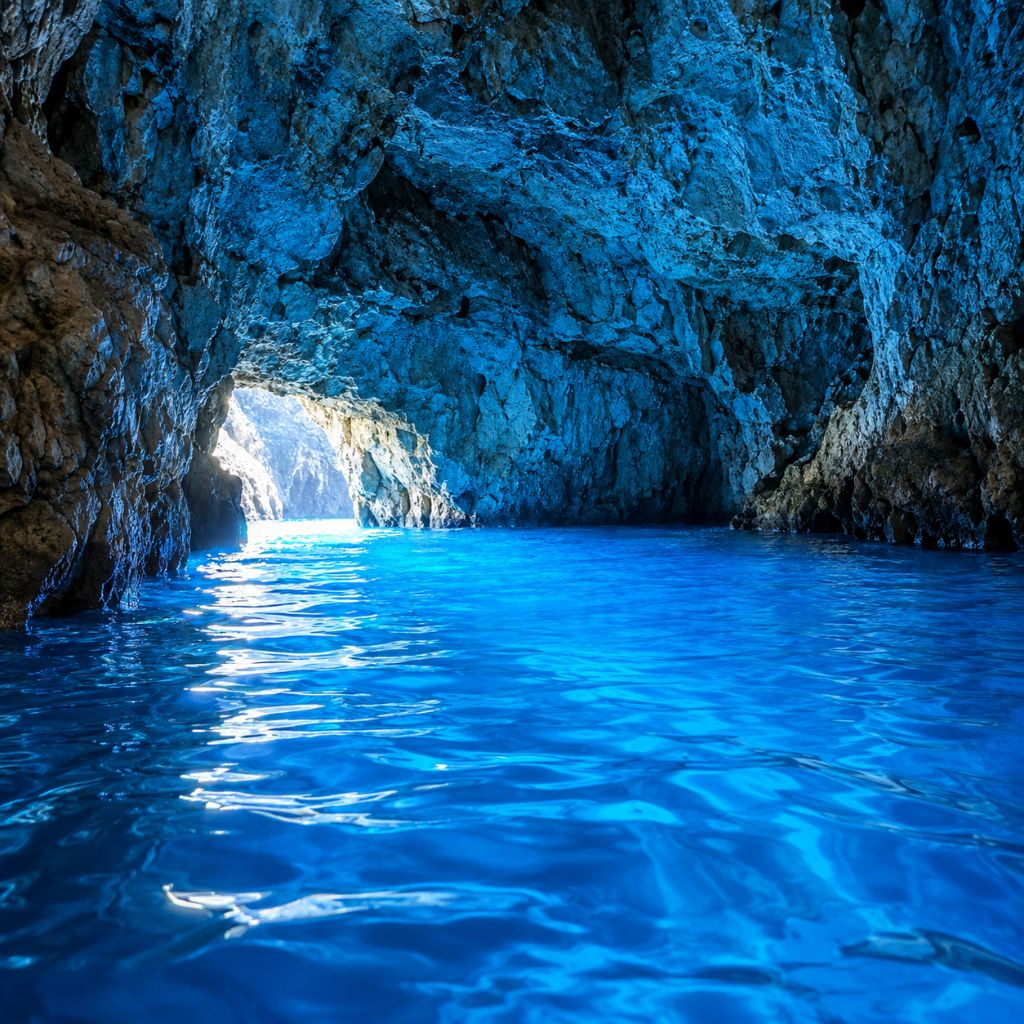
Blue Cave
Biševo, Split-Dalmatia
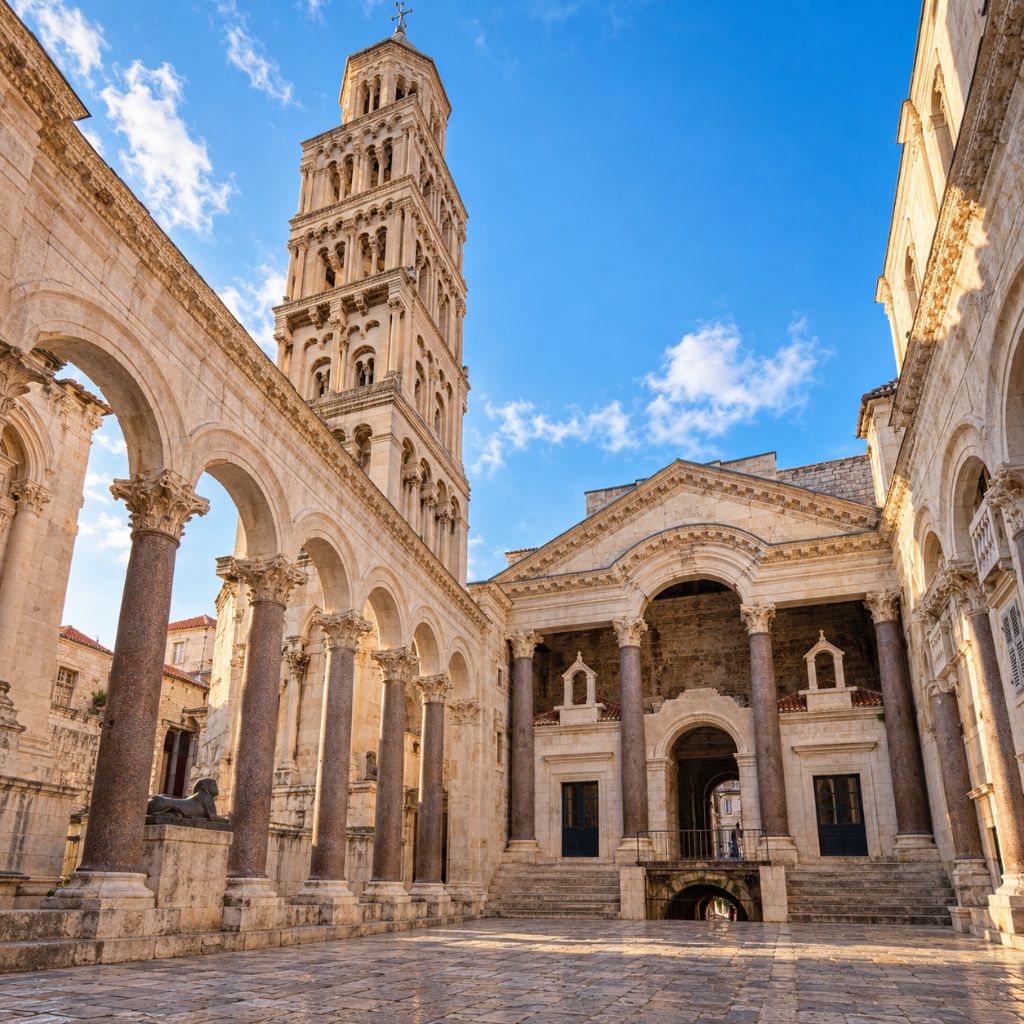
Diocletian's Palace
Split, Split-Dalmatia
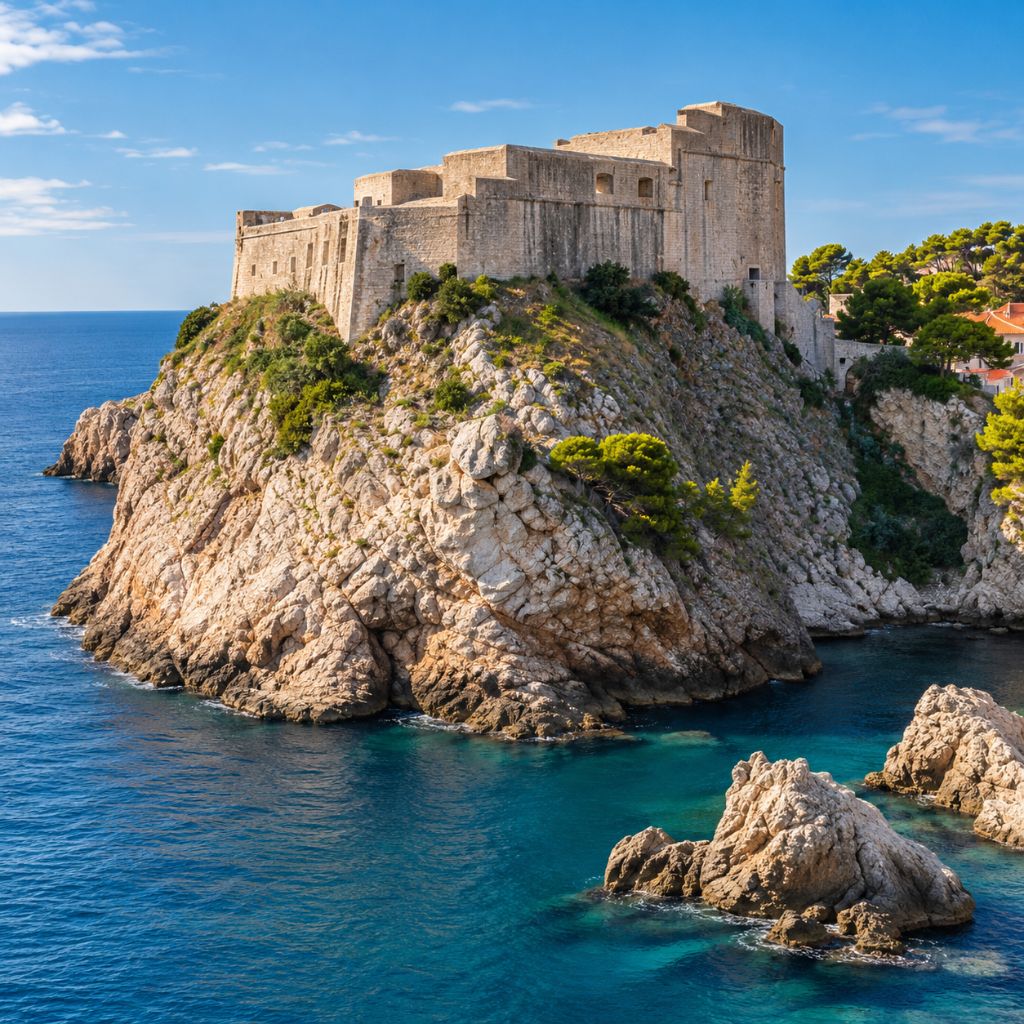
Fort Lovrijenac
Dubrovnik, Dubrovnik-Neretva
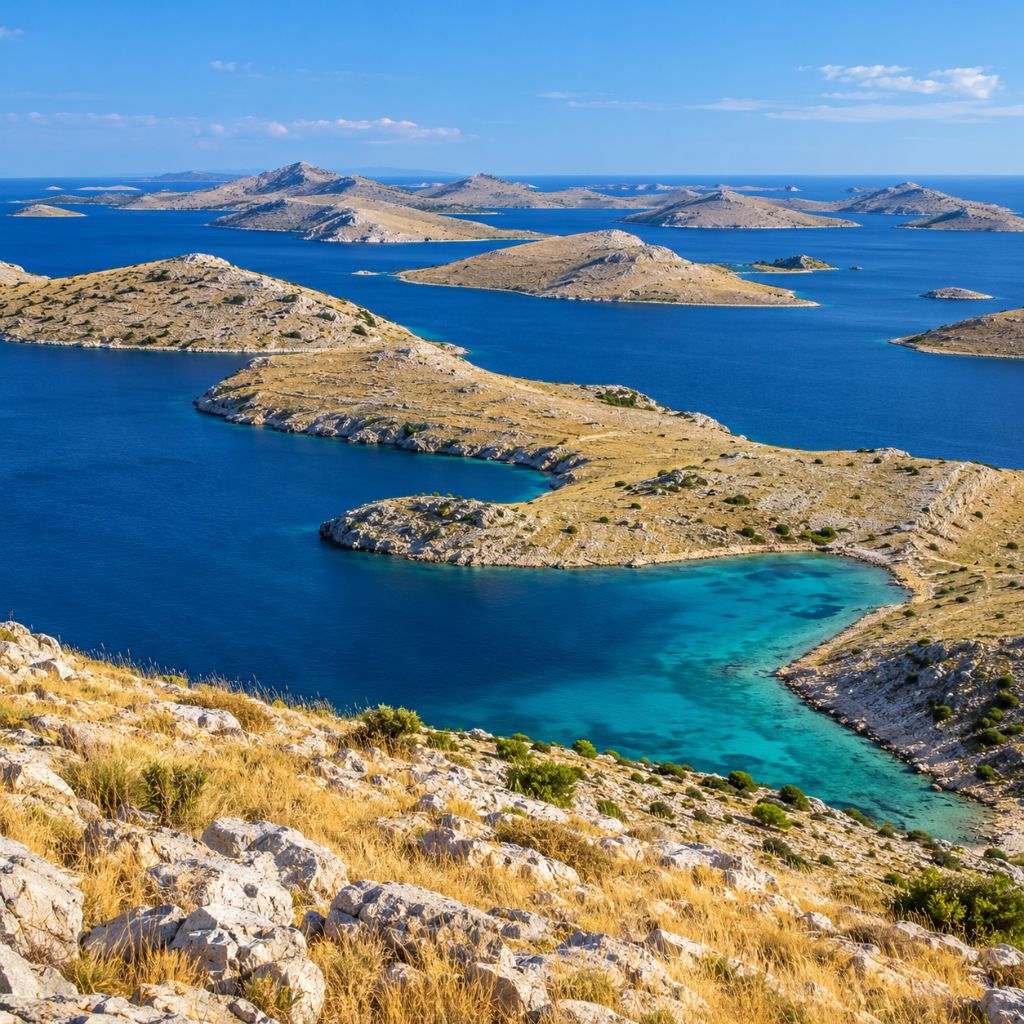
Kornati National Park
Murter, Šibenik-Knin
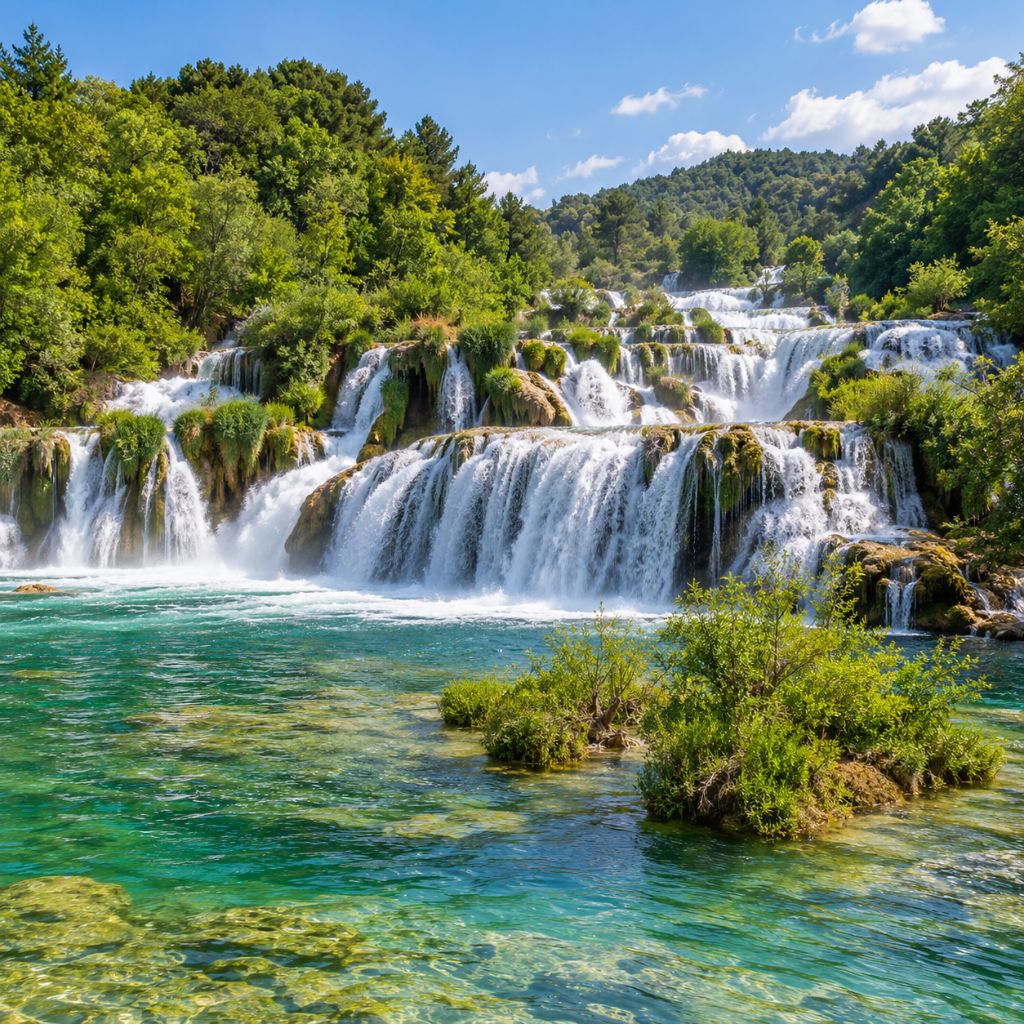
Krka National Park
Skradin, Šibenik-Knin
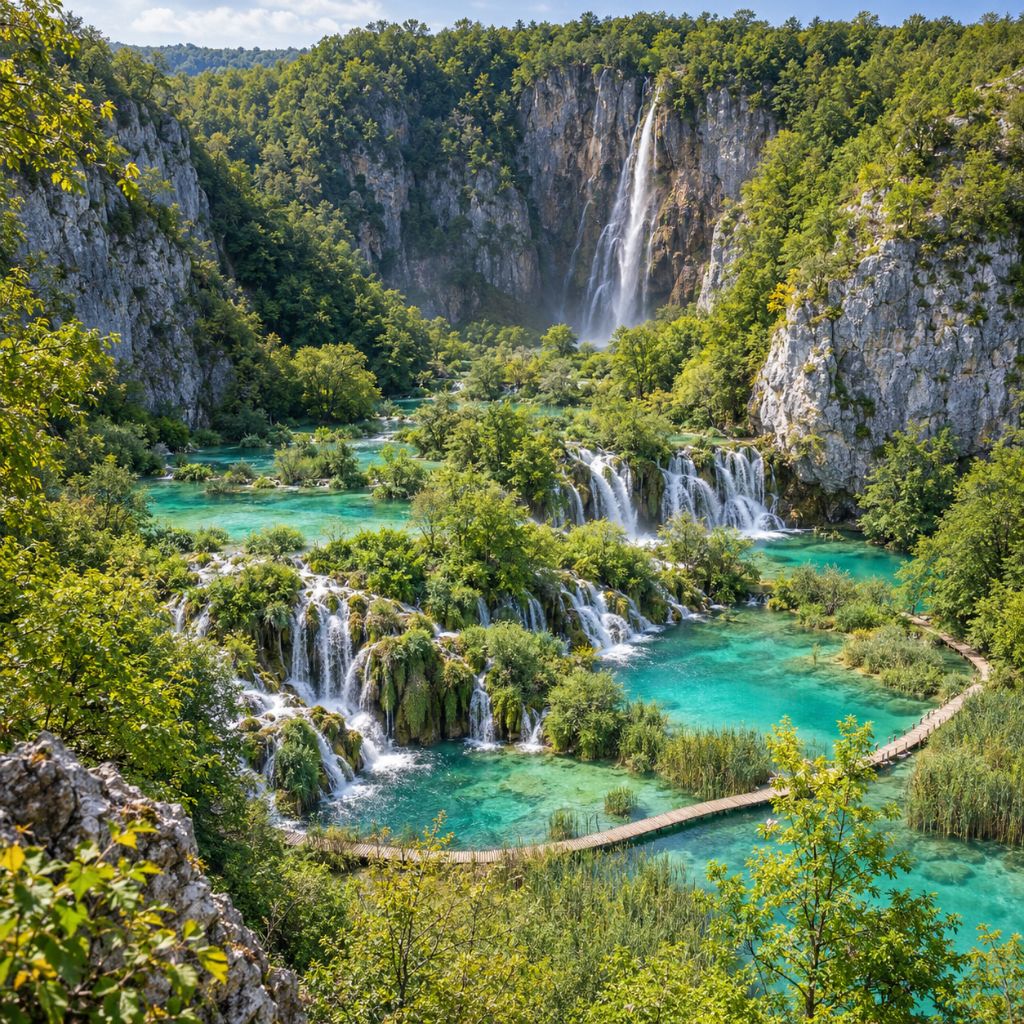
Plitvice Lakes National Park
Plitvička Jezera, Lika-Senj
Que manger en Croatie
Les 22 plats →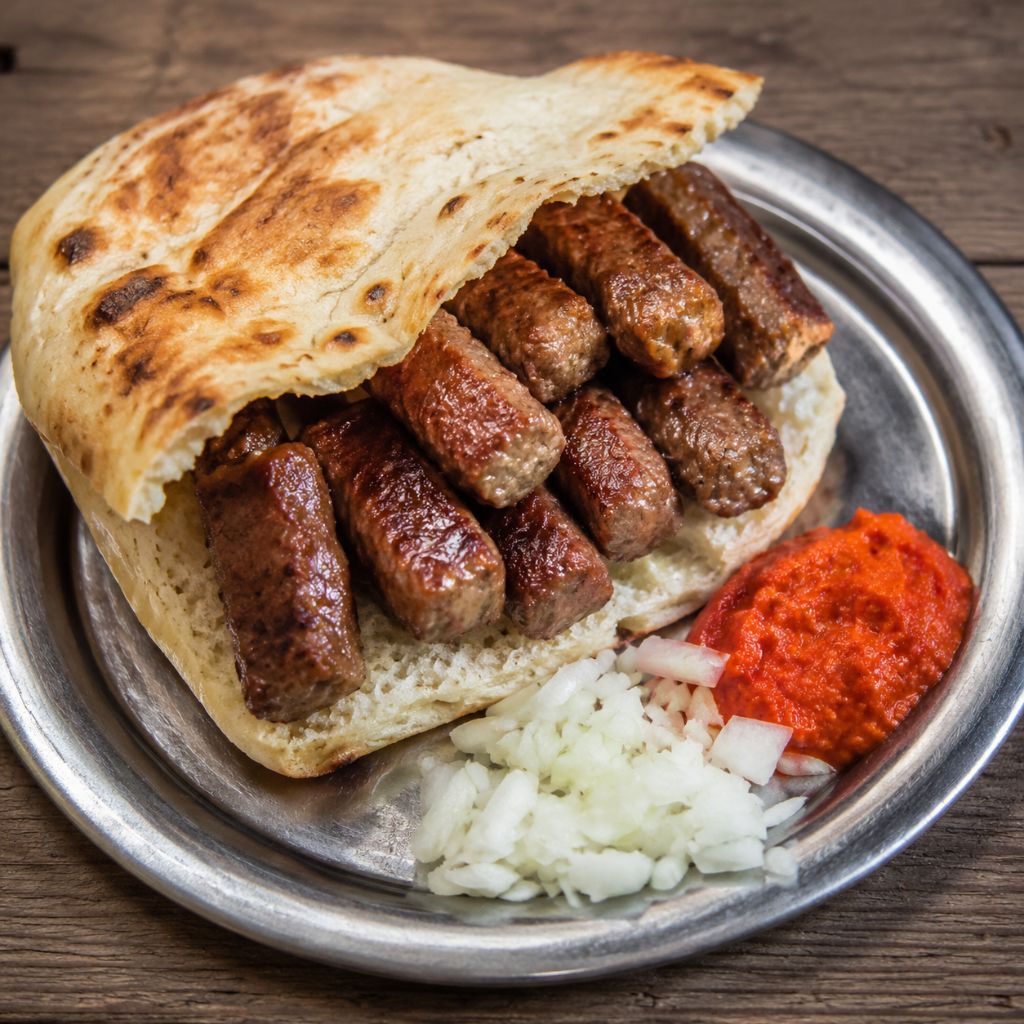
Ćevapi
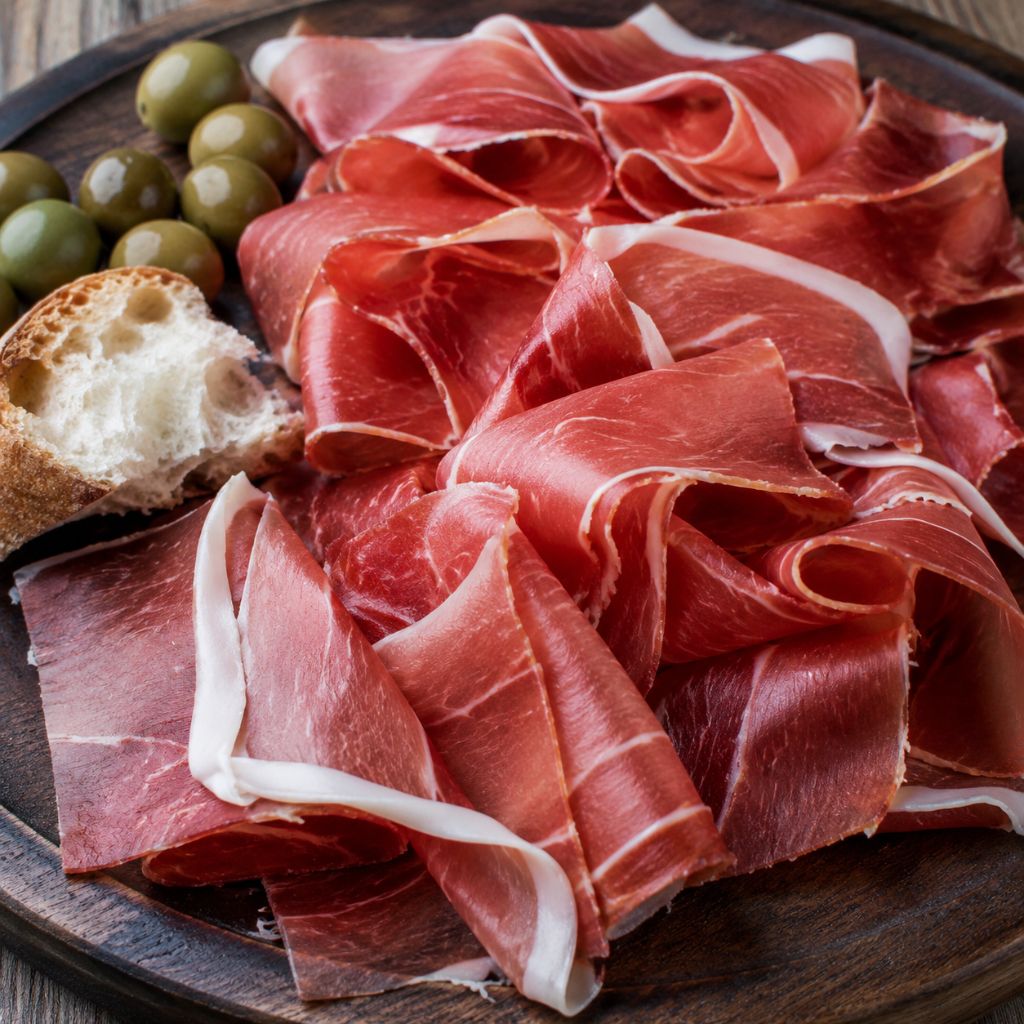
Istarski Pršut
Istria
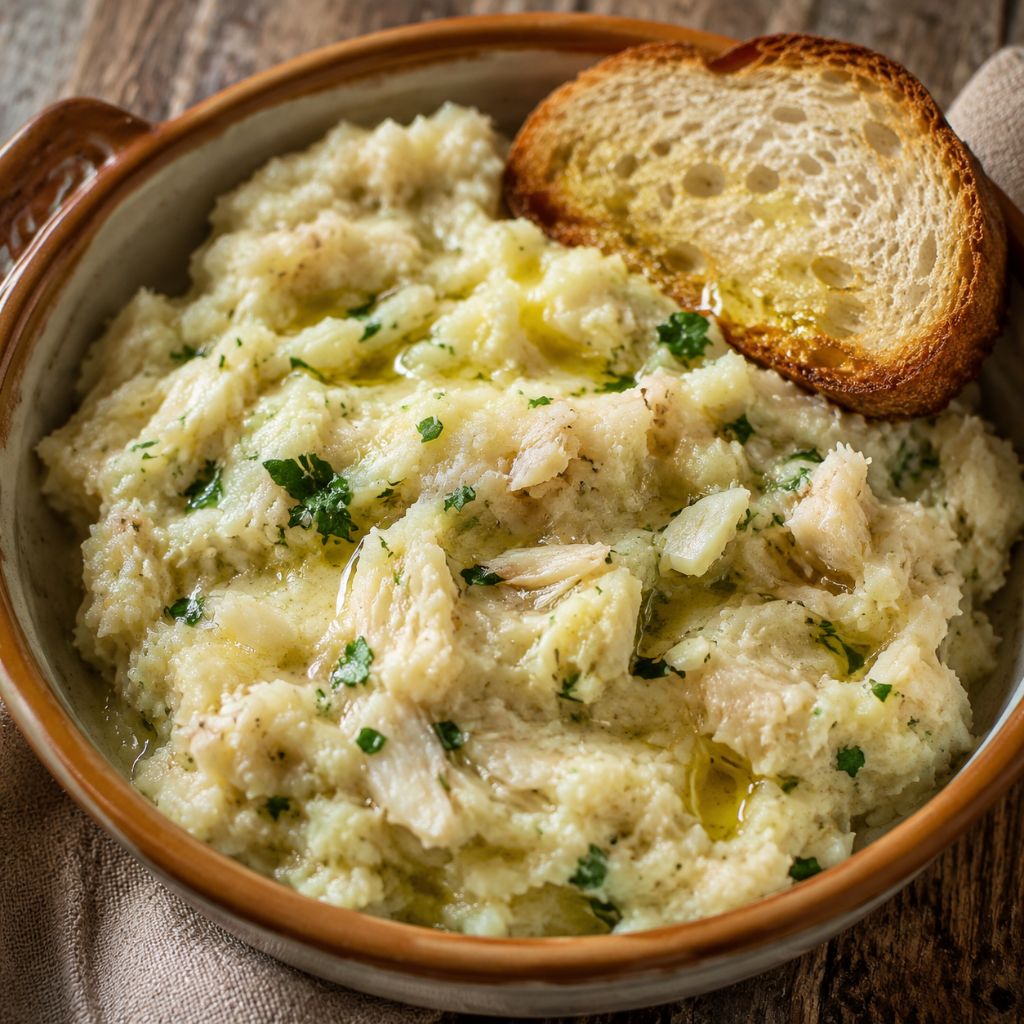
Bakalar na Bijelo
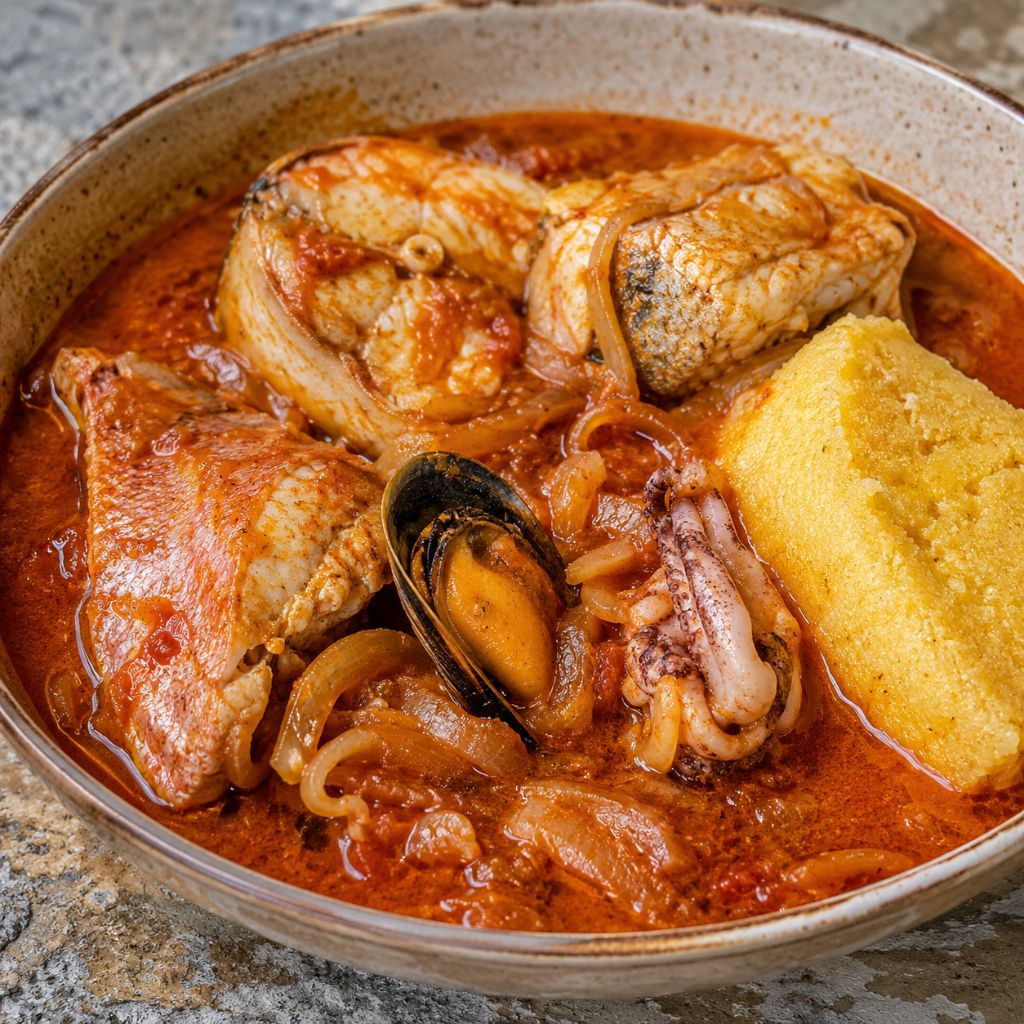
Brudet
Dalmazia
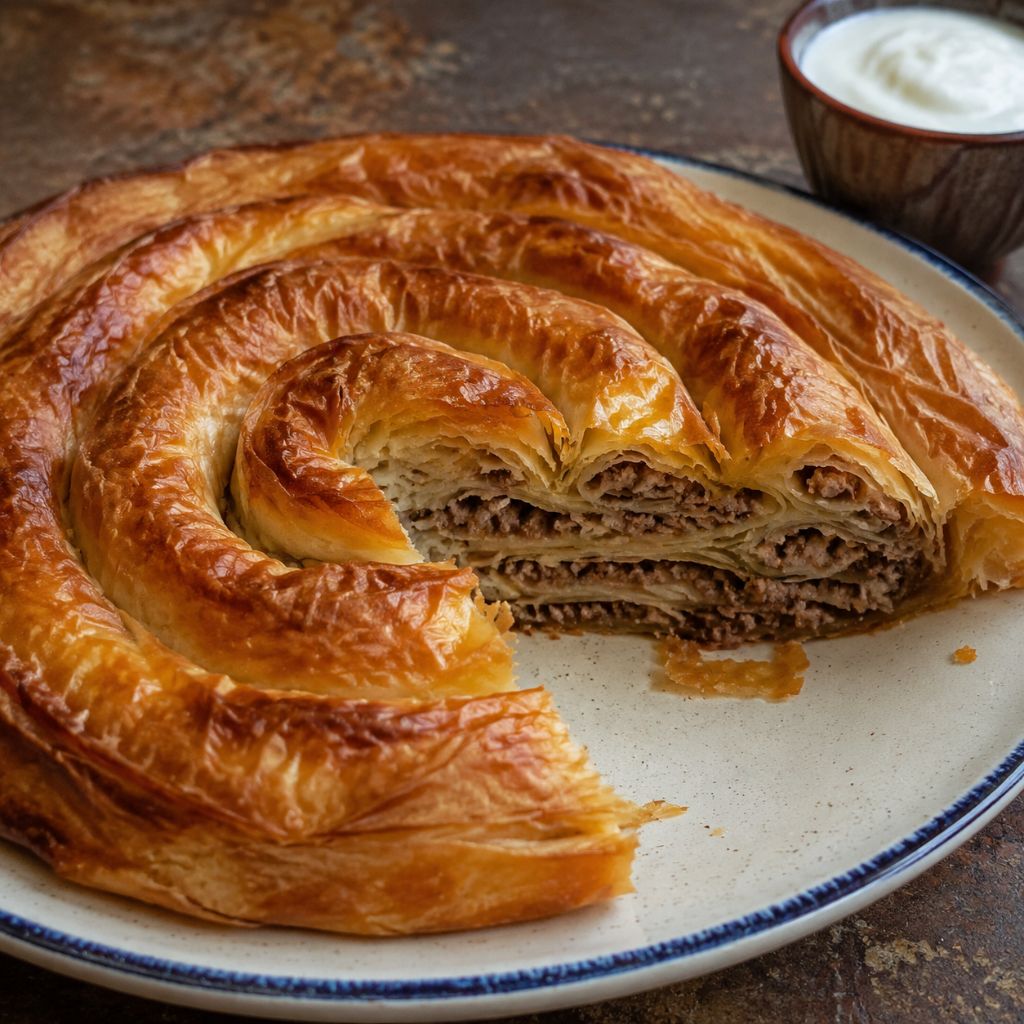
Burek
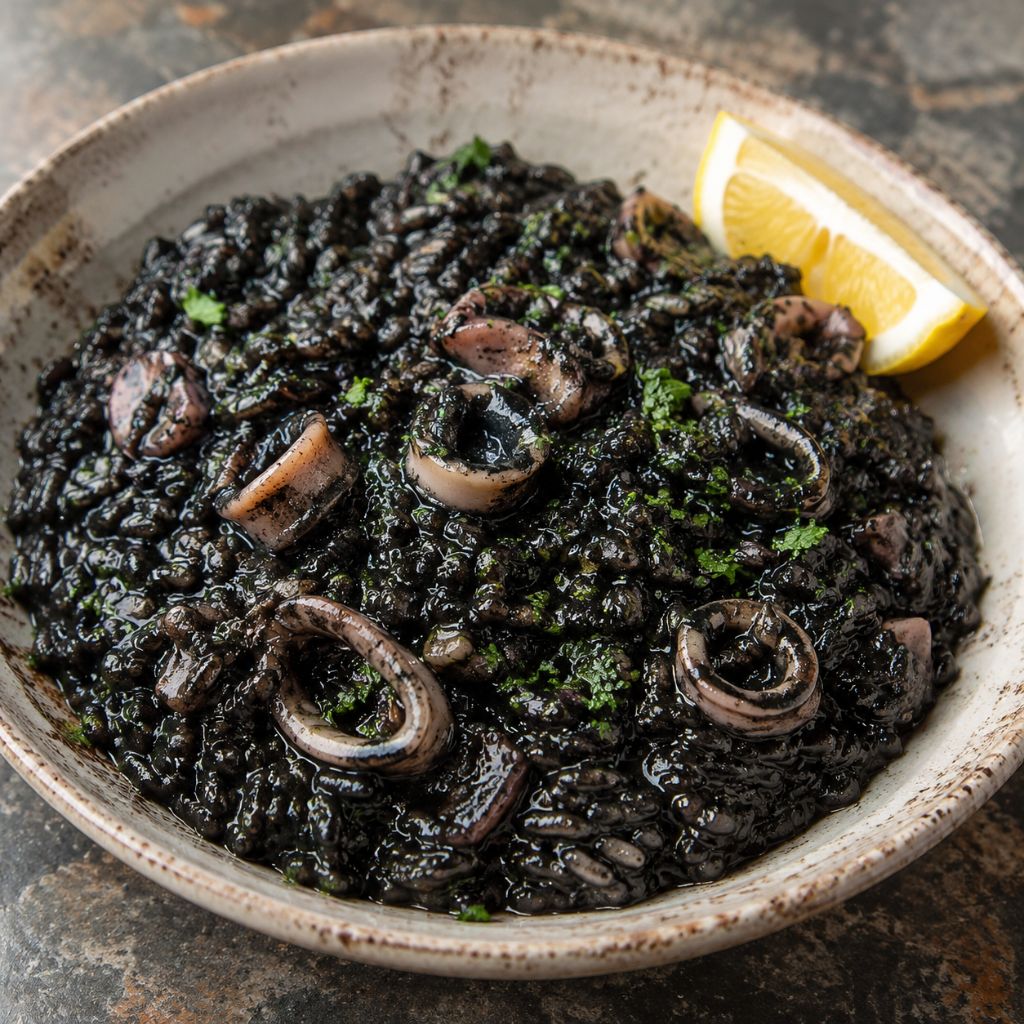
Crni Rižot
Quand partir
Les mois où ce pays fait partie de nos destinations du mois.
- février
Rijeka10°C
The Rijeka Carnival peaks before Lent, usually in February, with a huge parade and bell-ringing zvončari.
Plitvice Lakes4°C
February frost often turns Plitvice's waterfalls to ice, and the boardwalks are nearly empty.
- mai
Plitvice Lakes19°C
Spring snowmelt makes the waterfalls roar in May, and the boardwalks are far quieter than in the summer months.
Split19°C
Diocletian's Palace, perfect spring weather and Adriatic islands.
- juin
Croatia - Hvar28°C
Sun-drenched island, nightlife, and beaches.
- juillet
Zadar29°C
July sunsets over the sea organ are among the Adriatic's finest, with islands and Kornati boat trips close by.
- août
Rovinj27°C
Venetian architecture, Istrian cuisine and Adriatic summer charm.
- septembre
Rovinj25°C
The sea is still around 23°C, the summer crowds have gone and the first Istrian truffles reach the menus.
- octobre
Plitvice Lakes16°C
In October the forests around the turquoise lakes turn gold and red, and the boardwalks are far less crowded.
- novembre
Motovun13°C
November is the heart of Istria's white truffle season, with truffle hunts in the forest below the hilltop town.
- décembre
Zagreb5°C
Advent in Zagreb, repeatedly voted Europe's best Christmas market, fills the upper and lower town with lights.
Infos pratiques
Toutes les infos pratiques →- Électricité
- Type C et F, 230V
- Conduite
- À droite
- Urgences
- 112 · Police 192 · Ambulance 194 · Pompiers 193
- Pourboires
- Les pourboires ne sont pas obligatoires en Croatie, mais il est courant de laisser 5 à 10% dans les restaurants et cafés si le service a été satisfaisant.
- Visa
- Citoyens français, belges et suisses : pas de visa requis, séjour jusqu'à 90 jours avec passeport ou carte d'identité valides (Croatie dans l'espace Schengen). Citoyens canadiens : pas de visa pour 90 jours, passeport valide suffisant. Vérifiez les conditions actuelles avant le départ.
Informations indicatives : vérifie toujours les sources officielles avant de partir.
Itinéraires en Croatie
Aucun itinéraire public pour ce pays pour l'instant. Le premier pourrait être le tien.
 Japon
 Espagne
 France
 Grèce
 États-Unis
 Thaïlande
 Portugal
 Maroc
 Mexique
 Italie
 Royaume-Uni
 Allemagne
 Pays-Bas
 Irlande
 Malte
 Australie
 Autriche
 Égypte
 Turquie
 Tchéquie
 Hongrie
 Suisse
 Belgique
 Pologne
 Norvège
 Islande
 Émirats arabes unis
 Canada
 Indonésie