
Greece travel guide
What to see, what to eat, when to go and itineraries by real travelers.
- 35 places to see
- 40 local dishes
Greece, officially the Hellenic Republic, is a country located mostly on the Balkan peninsula of Southeastern Europe, with thousands of islands extending geographically to Asia Minor. It has a population of around 10 million. With nine regions and up to 227 inhabited islands, it has the longest coastline on the Mediterranean basin. The Ionian Sea is west of the mainland, Albania northwest, and North Macedonia and Bulgaria north. Turkey is east both by land and the Aegean Sea. The capital, Athens, is the largest Greek city, followed by Thessaloniki and Patras.
Text from Wikipedia, CC BY-SA license · Read on Wikipedia
What to see in Greece
All 35 places → 👣 1 visitor
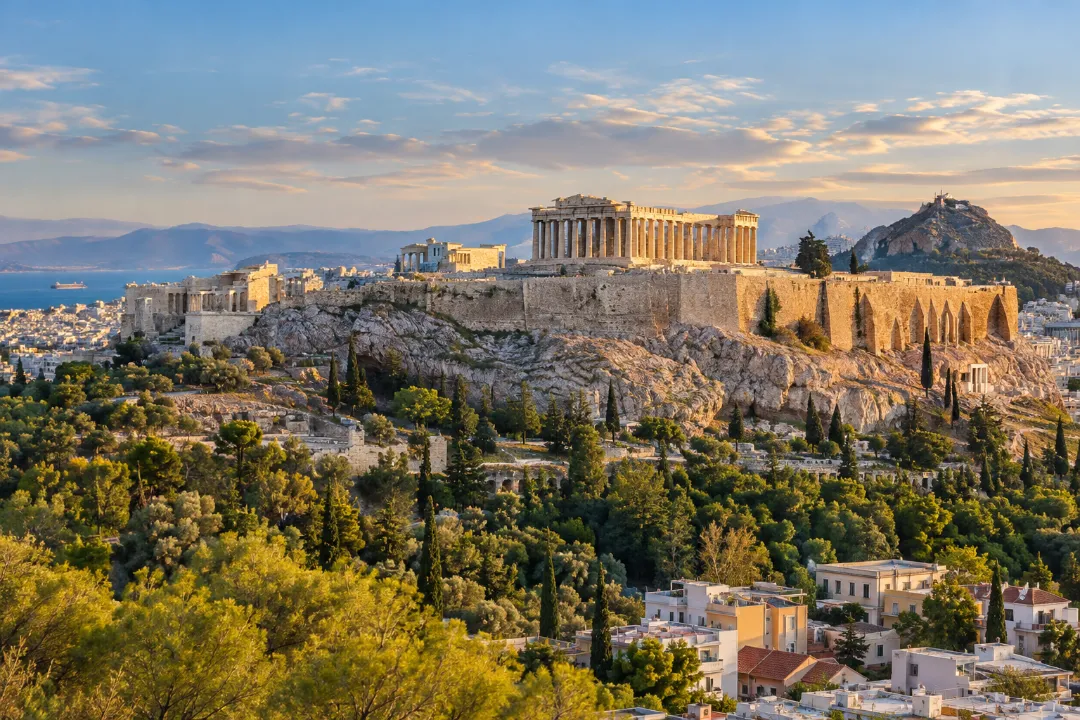
Acropolis of Athens
Athens, Attica
The Acropolis of Athens is an ancient citadel located on a rocky outcrop above the city of Athens, Greece, and contains the remains of several ancient buildings of great architectural and historical significance, the…
 👣 1 visitor
Archaeological Site of Delphi
Delphi, Central Greece
The Omphalos of Delphi is an ancient marble monument that was found at the archaeological site of Delphi, Greece.
 👣 1 visitor
Corinth Canal
Corinth, Peloponnese
The Corinth Canal is a canal in Greece that connects the Gulf of Corinth in the Ionian Sea with the Saronic Gulf in the Aegean Sea.
 👣 1 visitor
Mycenae
Mykines, Peloponnese
Mycenae is an archaeological site near Mykines in Argolis, north-eastern Peloponnese, Greece. It is located about 120 kilometres south-west of Athens; 11 kilometres north of Argos; and 48 kilometres south of Corinth.
 👣 1 visitor
Palace of Knossos
Heraklion, Crete
Knossos is an archaeological site and ancient urban centre in Crete, Greece. It is located within the southern periphery of Heraklion, about 5 km (3.1 mi) south of the city's historic centre.
 👣 1 visitor
Santorini Caldera
Santorini, South Aegean
The Santorini caldera is a large, mostly submerged volcanic caldera located in the southern Aegean Sea, 120 kilometers north of Crete in Greece.
What to eat in Greece
All 40 dishes →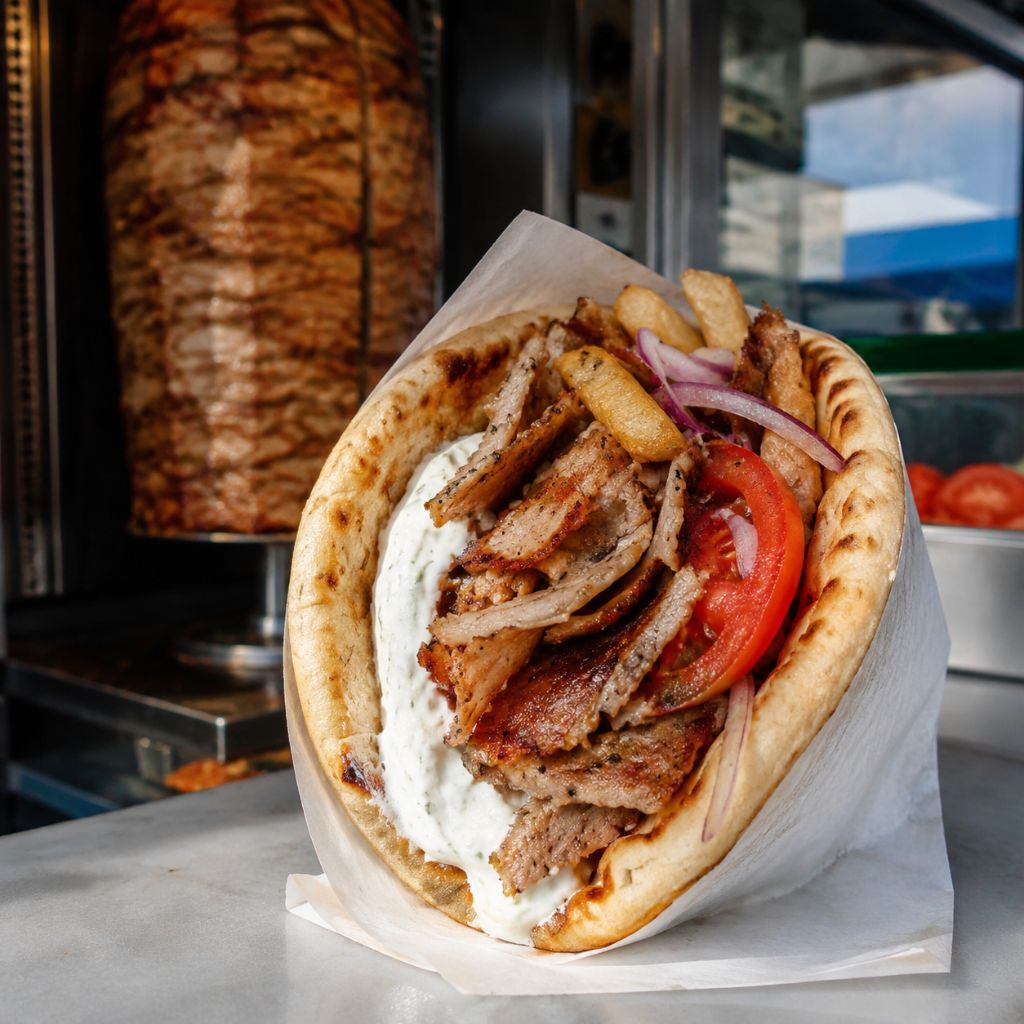 😋 tried by 2
Gyros
 😋 tried by 2
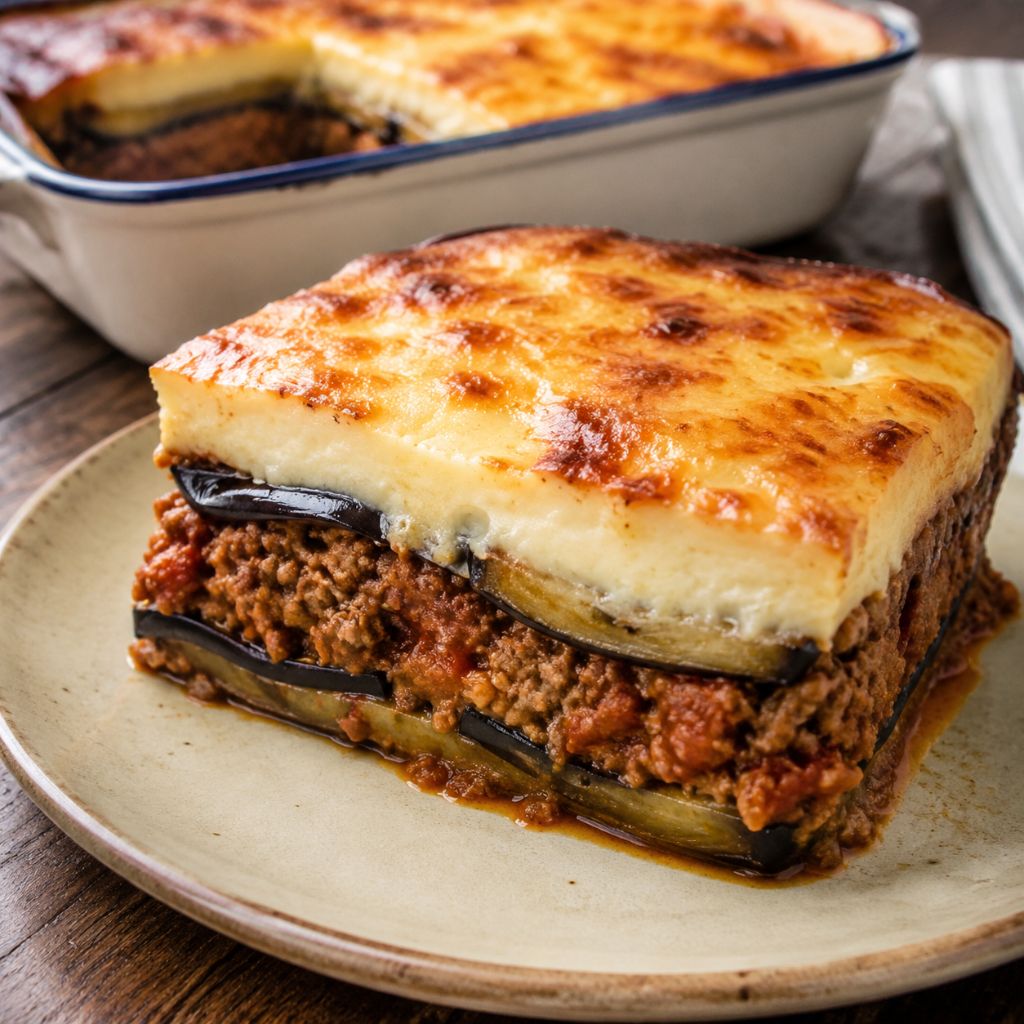
Moussaka
 😋 tried by 2
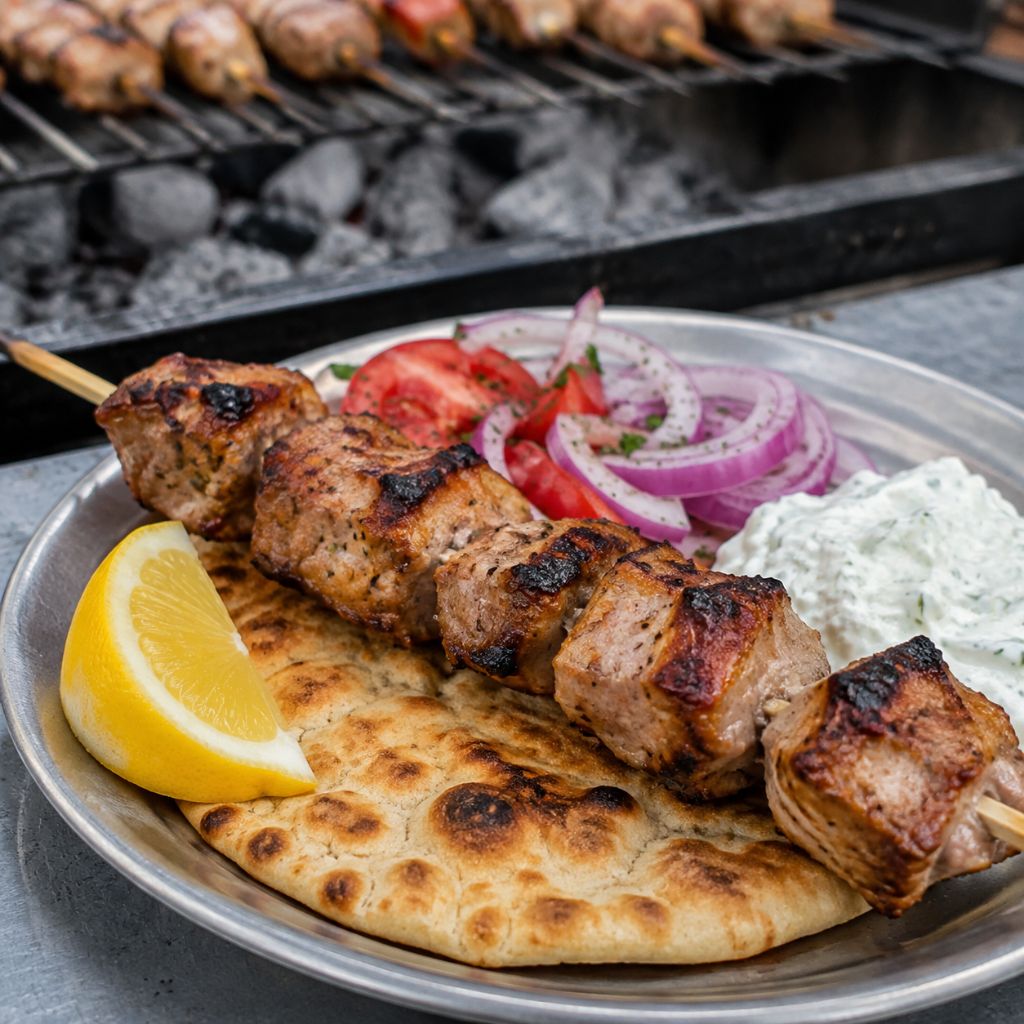
Souvlaki
 😋 tried by 2
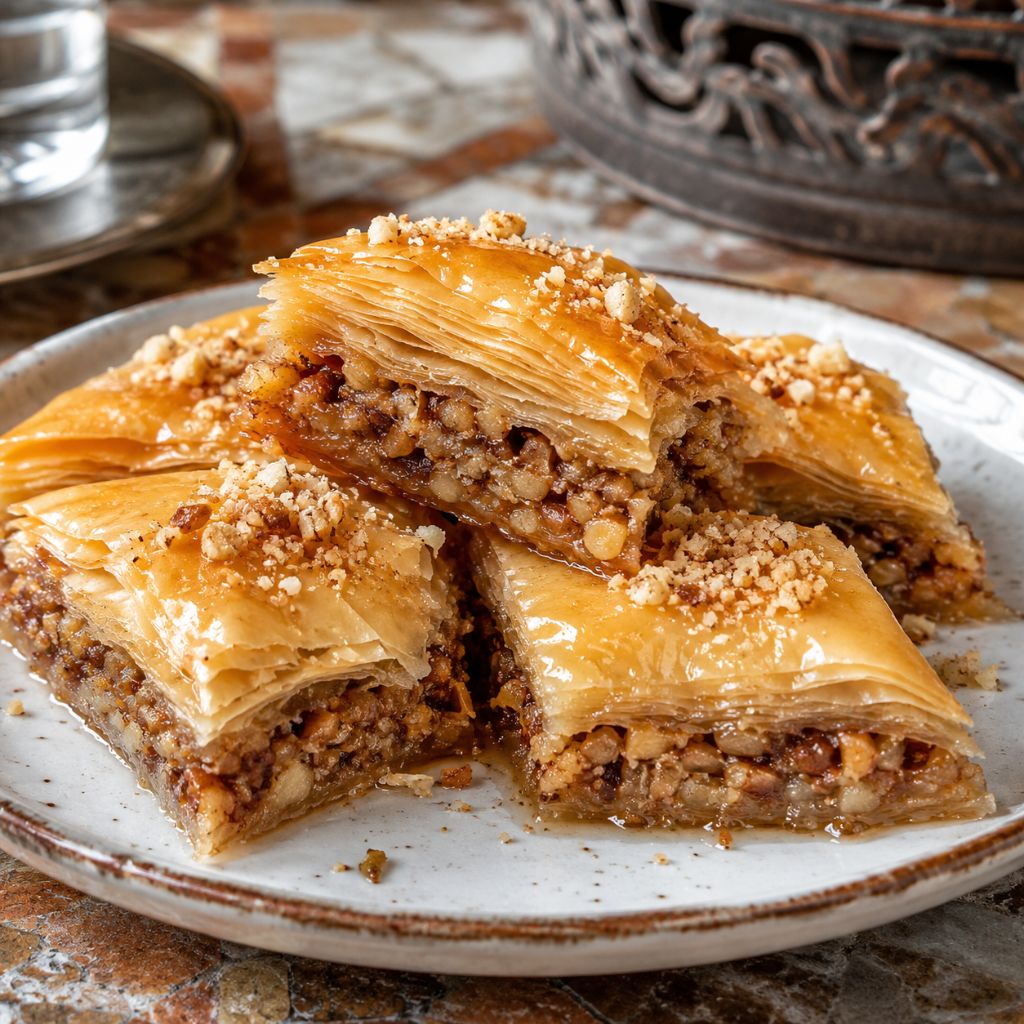
Baklava
 😋 tried by 2
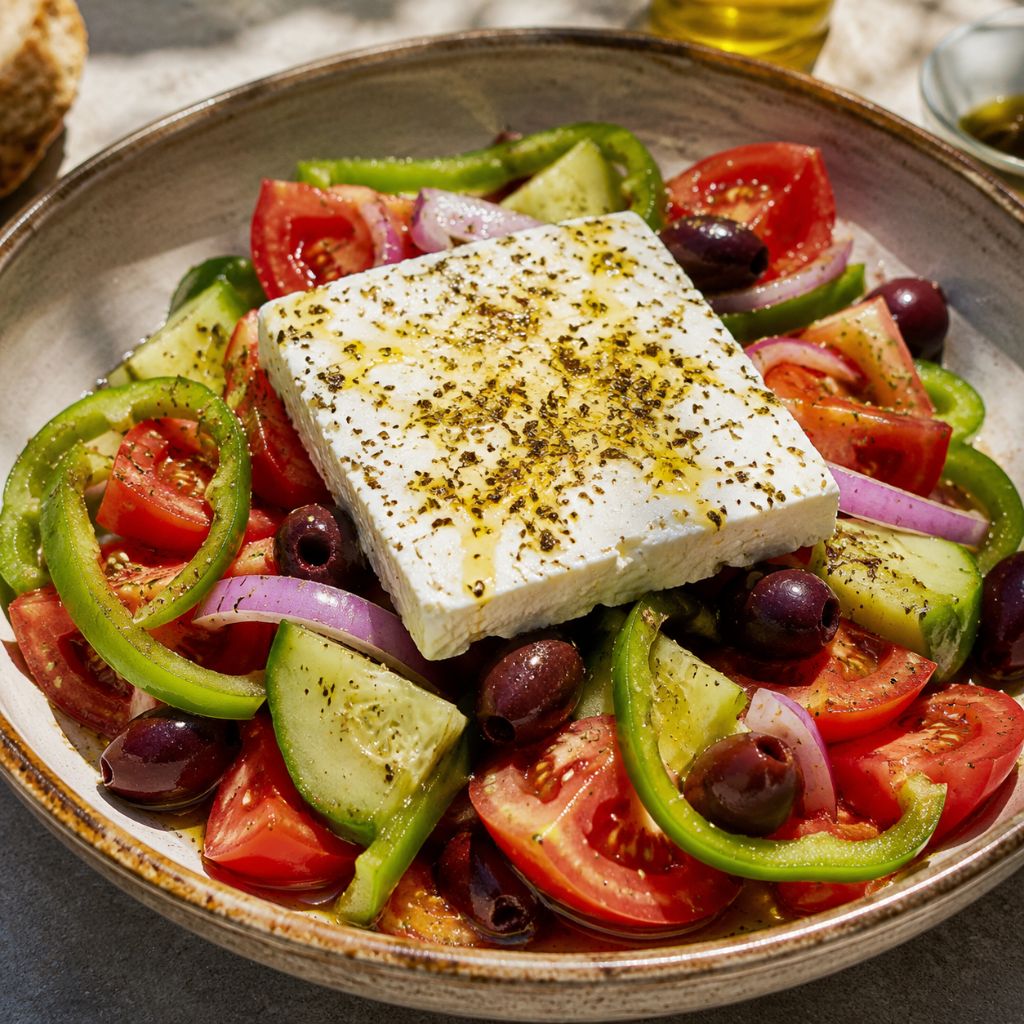
Greek Salad
 😋 tried by 2
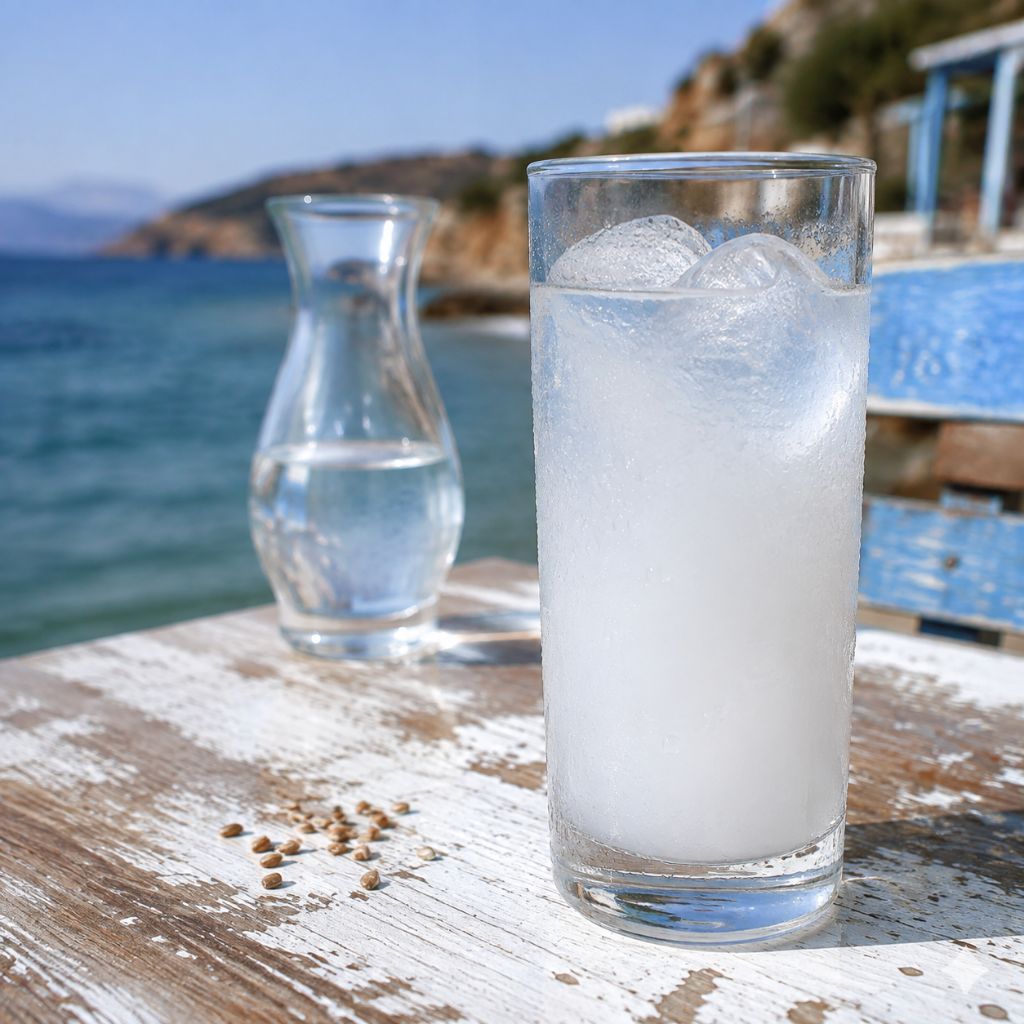
Ouzo
When to go
The months when this country is one of our destinations of the month.
- March
Crete17°C
In March Crete's hills are green and covered in wildflowers and wild orchids, perfect for hiking.
- April
Meteora19°C
In April the valley around the cliff-top monasteries turns green and bright with flowers, before the heat.
Athens19°C
Mild spring weather, ancient history and Mediterranean charm.
- May
Mykonos21°C
Beginning of island season, white-washed villages and Aegean charm.
Crete24°C
The Samaria Gorge usually reopens in May, wildflowers cover the hills and the sea starts to feel like summer.
- June
Corfu28°C
June brings warm water, green hills and quiet coves, before the island fills up with the July and August rush.
- July
Milos29°C
July brings a warm sea and long days to explore its lunar coves, with the meltemi wind keeping the heat bearable.
- August
Kefalonia30°C
August has the warmest Ionian water for Myrtos and Antisamos, and village festivals with wine and dancing.
Naxos29°C
Authentic Greek island with pristine beaches and ancient ruins.
- September
Naxos27°C
The Aegean is at its warmest, ferries are less packed and beaches empty out after the August rush.
Crete25°C
Largest Greek island with Minoan history, beaches and mountain villages.
- November
Athens19°C
The Athens Authentic Marathon runs from Marathon to the Panathenaic Stadium in November, under mild skies.
Itineraries in Greece
No public itineraries for this country yet. The first one could be yours.
 Japan
 Spain
 France
 United States
 Thailand
 Portugal
 Morocco
 Mexico
 Italy